
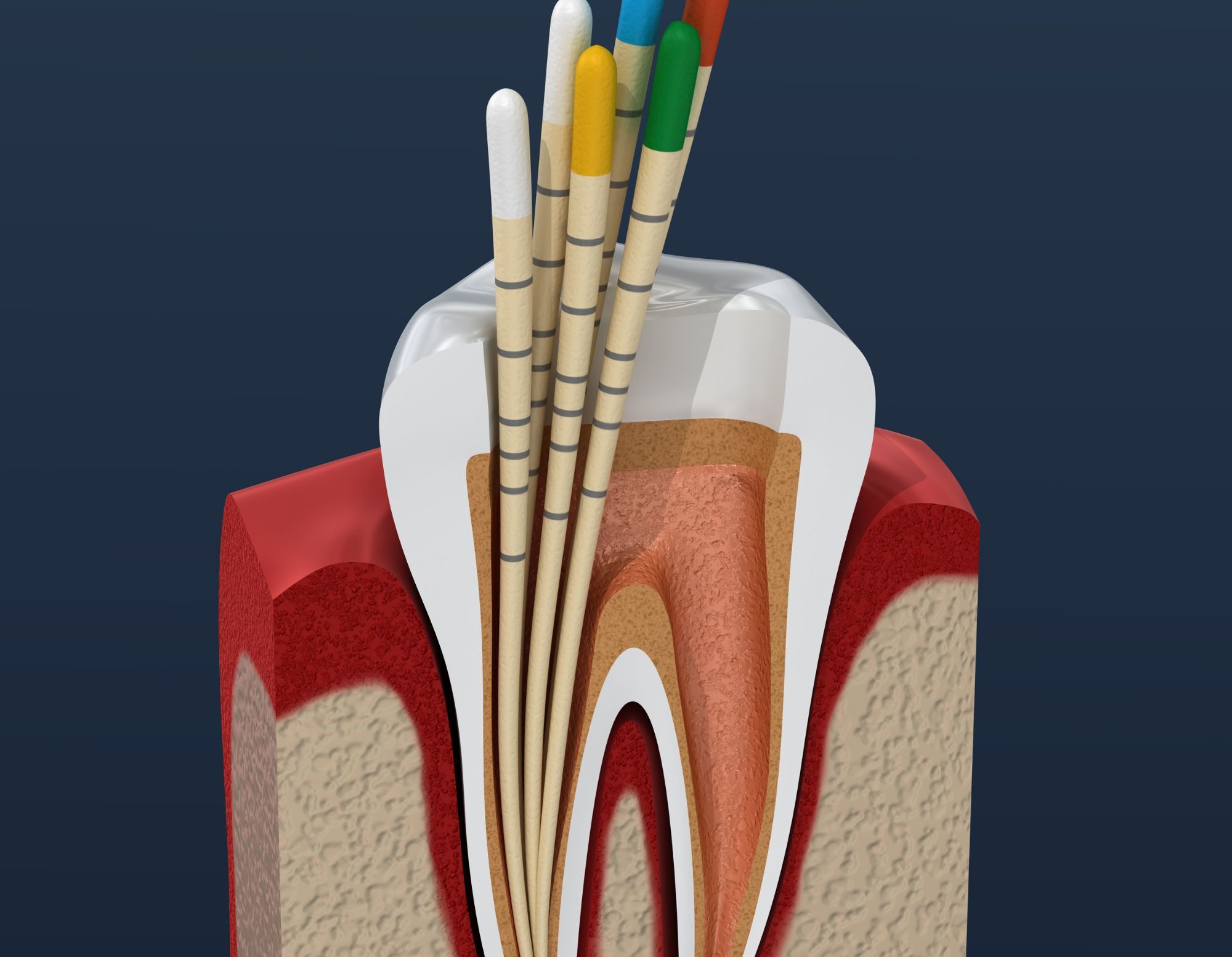
Root Canal
A root canal is necessary when the nerve of a tooth becomes infected due to decay or damage. In the early stages, you may not experience any pain, but as the infection spreads through the root canal system, it can eventually lead to an abscess. Symptoms of an abscess can vary from a dull ache to severe pain, and the tooth may feel tender when biting.
The procedure involves removing the infected nerve tissue, thoroughly cleaning the root canal, and then filling the space to prevent further infection.
Thanks to modern techniques, root canal treatment is typically pain-free and comfortable, with many patients only experiencing slight discomfort or tenderness for a few days afterward.
Root canal treatment has a high success rate. If left untreated, the infection will continue to spread, and the tooth may need to be extracted.
Frequently Asked Questions
Is a root canal treatment painful?
In reality, the procedure is designed to remove pain caused by an infection. Thanks to modern local anesthetics and advanced techniques used by our in-house experts, the treatment is typically as comfortable as receiving a standard filling.
What happens if I don't get the root canal treatment?
If an infected tooth is left untreated, the bacteria will continue to spread through the root canal system, eventually leading to a painful abscess and bone loss around the tooth. Since the infection cannot clear up on its own, the tooth will eventually become so damaged that it will need to be extracted. A root canal is the only way to save your natural tooth.
Will the tooth need any special care after the treatment?
Once the root canal is complete, the tooth is no longer “alive” and can become more brittle over time. To ensure its long-term success and prevent it from fracturing, we usually recommend placing a dental crown over the tooth. This restores its full strength and protects the precision work done inside the canal, allowing you to bite and chew normally for years to come.