
Restorative dentistry / Eastcote & Pinner
Support for a vulnerable tooth.
When a tooth has lost too much structure for a simple repair, a crown may help restore its shape and function. We look carefully at the tooth underneath before planning what goes over it.
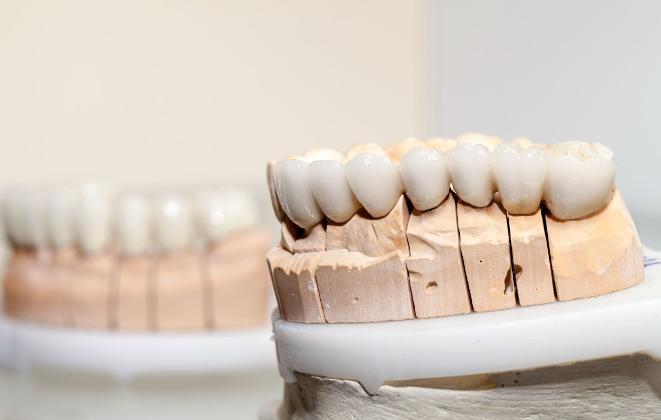
Dental crowns. Made around your tooth.
- Strength & shape
- Individual material choice
- Fit & bite assessment
Understanding your options
A stronger plan for what remains.
A crown covers a prepared tooth. It can protect weakened structure, but the tooth, root and gums still need to be suitable foundations.
When support is needed
A heavily filled, worn or fractured tooth may benefit from a crown. Some teeth also need this protection after root canal treatment, depending on their position and remaining structure.
Choosing the material
Appearance, space and biting forces influence the choice of crown. Your dentist explains the material options appropriate for the tooth rather than selecting on colour alone.
Considering alternatives
A filling or another restoration may be enough in some cases. If the tooth cannot be predictably restored, replacement options need a separate discussion.
Preparation is a commitment
Fitting a crown usually involves reshaping the tooth. Ask how much preparation is needed, what risks apply and whether an alternative would preserve more tooth structure.
At the practice
Your care, step by step.
Crown treatment includes assessment, preparation and checking the final fit. The number and timing of visits depend on the plan.
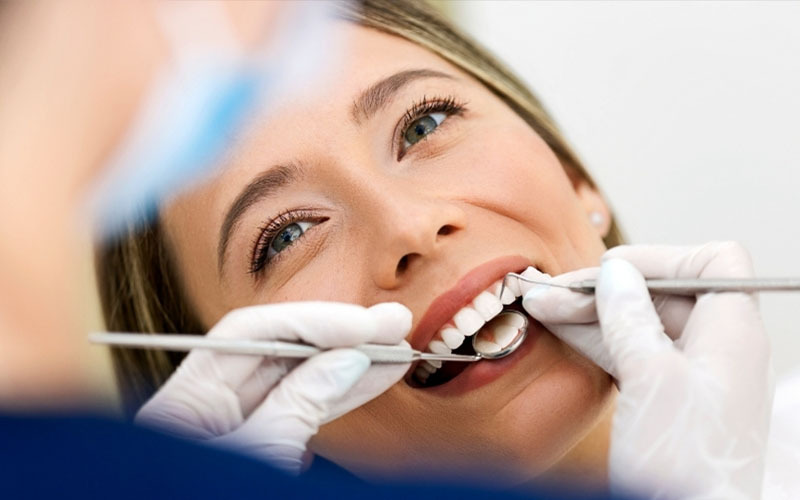
Planning your visit
Fit, shade and the way you bite.
The laboratory photograph illustrates a crown restoration. Your crown is planned for your own tooth and clinical needs.
Check the foundations
The dentist assesses the tooth, root and surrounding gums, including X-rays if indicated.
Prepare and record
After agreeing the plan, the tooth is prepared and an impression or digital record is taken for the restoration.
Protect between visits
Where a temporary crown is used, we explain how to care for it and what to do if it loosens.
Fit and check
The crown's fit, contacts and bite are checked before it is secured. Raise any concern about comfort or appearance during the fitting.
Looking ahead
A plan that makes sense.
A crown restores the outside of a tooth; the health of the tooth and gum around it remains important.

Look after the margin
Clean where the crown meets the gum and between adjacent teeth. Crowns can loosen, chip or wear, and the tooth beneath can still develop problems. Arrange a review if something changes.