
Replacing missing teeth / Eastcote & Pinner
A fuller smile. Everyday possibilities.
Replacing missing teeth is personal. Whether you need a few teeth replaced or a complete denture, we consider the fit, your bite and the everyday activities you want to feel more comfortable doing.
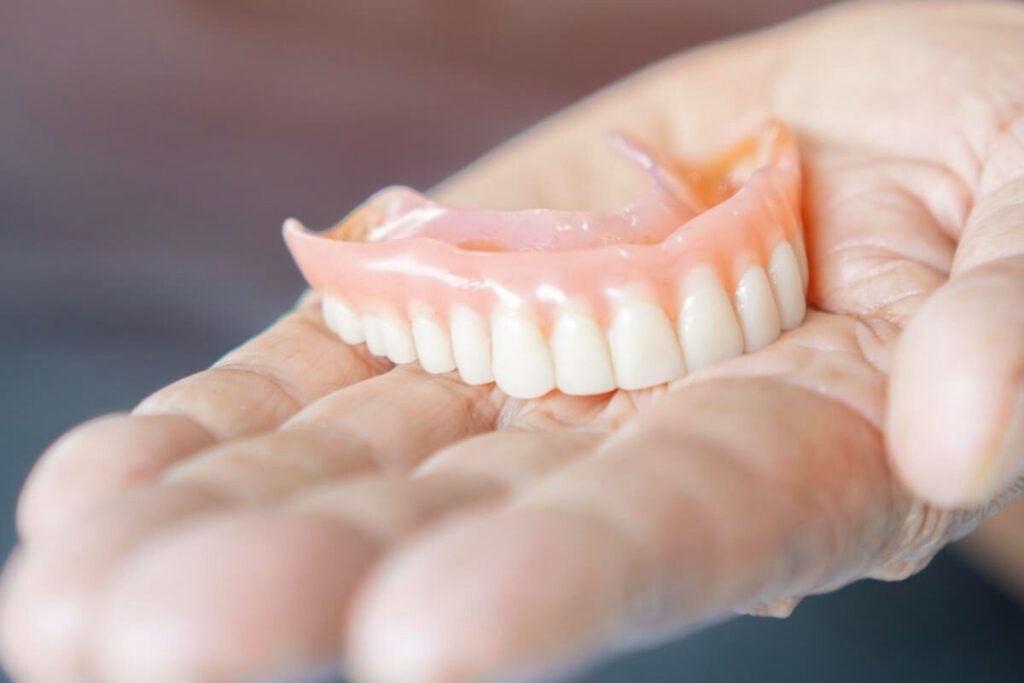
Dentures, shaped around your needs.
- Full & partial options
- Fit & appearance
- Adjustment advice
Understanding your options
Restore the smile. Learn the fit.
Dentures are removable replacements for missing teeth. The design depends on how many teeth are missing and the health of the tissues and teeth that remain.
Partial dentures
A partial denture replaces some missing teeth. Its design and support need to work with your remaining teeth and allow you to clean around them.
Complete dentures
A full denture replaces all the teeth in an upper or lower arch. The shape of the mouth, gums and bite affects how it sits and feels.
Other ways to support
For some patients, implants may improve the support for a denture. This requires a separate assessment of oral health, bone and medical factors, with additional treatment and fees.
Adjustment is part of the process
New dentures take practice. Eating, speaking and the feeling of an appliance can take time to become familiar, and sore areas may need professional adjustment.
At the practice
Your care, step by step.
Denture care is usually a sequence of appointments, with opportunities to review the proposed fit and appearance.

Planning your visit
Work towards a comfortable daily routine.
Existing dentures can be useful at the consultation. Tell us what works, what moves and what you would like to change.
Listen and assess
We discuss your experience of missing teeth or an existing denture, then examine your mouth and any remaining teeth.
Take the records
Impressions and bite records guide the shape of the denture and the relationship between the upper and lower teeth.
Review the arrangement
Where a trial stage is used, tooth position and appearance can be reviewed before the denture is finished.
Fit and adjust
We check the fit, explain cleaning and wearing advice, and arrange any adjustments needed as you settle in.
Looking ahead
A plan that makes sense.
A denture should be checked as your mouth changes, even if you no longer have natural teeth.
Care for the appliance and gums
Clean your denture and mouth daily and follow advice about removal at night and storage. Avoid adjusting or repairing it yourself; persistent soreness or looseness needs a review.