
Repairing & replacing teeth / Eastcote & Pinner
Repair what matters. Restore everyday comfort.
A damaged tooth can change the way you eat, speak or smile. Restorative dentistry looks at what remains, what needs support and how to bring useful function back to your mouth.

Restorative dentistry, tooth by tooth.
- White fillings
- Repair & protection
- Replacement options
Understanding your options
Keep, repair or replace.
There is no single restoration for every tooth. We consider the damage, remaining structure, gum health and how your teeth work together.
Repair a smaller defect
A tooth-coloured filling may replace a decayed or damaged area when enough sound tooth remains. Material and shape are selected for the position and demands on that tooth.
Support a weaker tooth
A larger restoration or crown may be discussed when a filling alone would not give enough support. The choice depends on the tooth, bite and amount of healthy structure.
Consider a missing tooth
Bridges, dentures and implants offer different ways to replace missing teeth. We can explain the effects on neighbouring teeth, daily care, treatment time and cost.
The cause matters too
Repairing damage is only part of the plan. Decay risk, gum disease, wear or grinding may also need attention to help protect your teeth and any new restoration.
At the practice
Your care, step by step.
We start with the problem you are experiencing and build a plan around the findings, rather than a particular treatment.
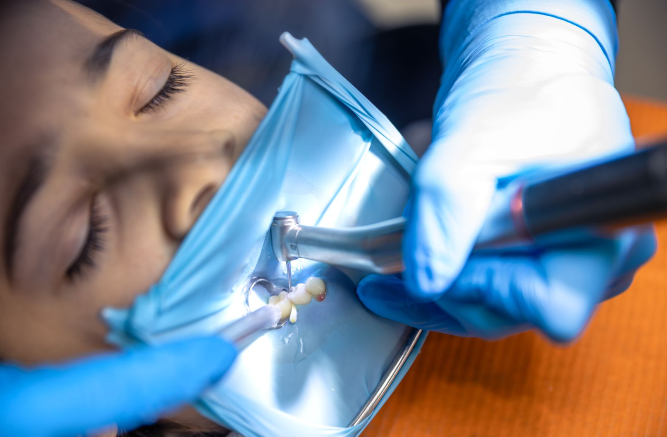
Planning your visit
A clear explanation before a decision.
If a tooth needs urgent attention, call reception. An assessment is needed before we can confirm whether a tooth can be restored.
Understand the problem
Tell us about pain, breakage, sensitivity or difficulty chewing, and when the change began.
Assess what can be saved
The dentist examines the teeth and bite, with X-rays where indicated, to assess the extent of the problem.
Compare your options
Discuss the benefits, limitations, preparation and likely maintenance of suitable repairs or replacements, including a written cost plan.
Restore and review
Treatment is completed in the agreed stages. The dentist checks fit and bite and explains how to look after the restoration.
Looking ahead
A plan that makes sense.
A useful restoration should fit into your daily life, with care and future maintenance understood from the start.

Keep the edges clean
Restored teeth can still develop decay or gum problems. Cleaning around the margins and keeping recommended reviews helps identify wear, damage or a change in the bite.