
Gum health / Eastcote & Pinner
Care beneath the smile.
Healthy gums support everything above them. Bleeding, swelling or a change in the way your teeth feel are reasons to look closer, even when there is no pain.
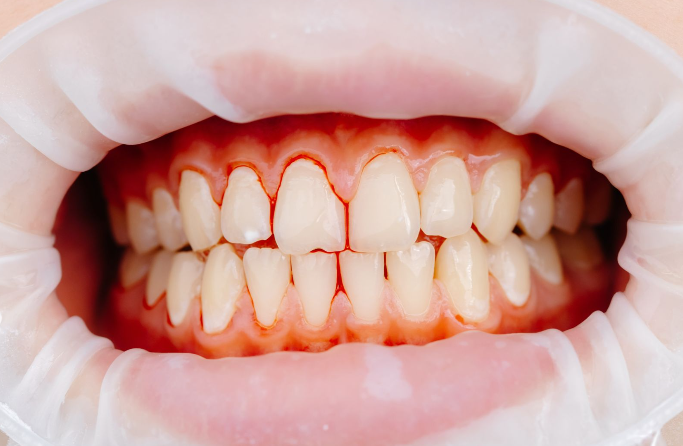
Gum care begins with understanding.
- Gum assessment
- Cleaning & advice
- Ongoing review
Understanding your options
Notice the signs. Protect the support.
Gum disease can range from inflammation around teeth to damage affecting their support. An examination helps establish what is happening and how to manage it.
Changes worth checking
Bleeding when brushing, swollen gums, persistent bad breath, recession or loose teeth deserve attention. Gum problems may progress with little discomfort.
Measure what matters
The clinician checks gum condition and may measure the spaces around teeth. X-rays can help assess supporting bone when indicated.
A shared care plan
Treatment may include professional cleaning above or below the gumline, along with specific home-care advice. More complex findings may need additional assessment or referral.
Management continues at home
Professional treatment and daily plaque control work together. Smoking and conditions such as diabetes can affect gum health; share your medical history and ask how these factors influence your care.
At the practice
Your care, step by step.
The first step is to establish the condition of your gums. Care then follows the findings, with reassessment to see how the tissues respond.

Planning your visit
Measure. Treat. Review.
The close-up image illustrates a gum assessment; it is not presented as a diagnosis or a before-and-after result.
Explain the changes
Tell us when bleeding, swelling or discomfort began and about your usual cleaning routine and medical history.
Record gum health
Your clinician assesses the gums, tooth support and any deeper areas that need investigation.
Reduce the build-up
Cleaning is planned around the findings. Local anaesthetic may be considered for deeper treatment, with comfort discussed beforehand.
Review the response
Reassessment shows which areas have improved and where further care or a different approach may be needed.
Looking ahead
A plan that makes sense.
Gum care is usually an ongoing partnership. A maintenance schedule reflects your condition and response, rather than a fixed timetable for everyone.

Keep the routine achievable
Ask for a demonstration of brushing and interdental cleaning that suits your mouth. Persistent bleeding or a new loose tooth needs advice; do not wait for pain before getting help.