
Saving natural teeth / Eastcote & Pinner
Treat the inside. Give the tooth a chance.
When the soft tissue inside a tooth becomes inflamed or infected, root canal treatment may allow the tooth to be kept. The first step is finding out whether it can be treated and restored.
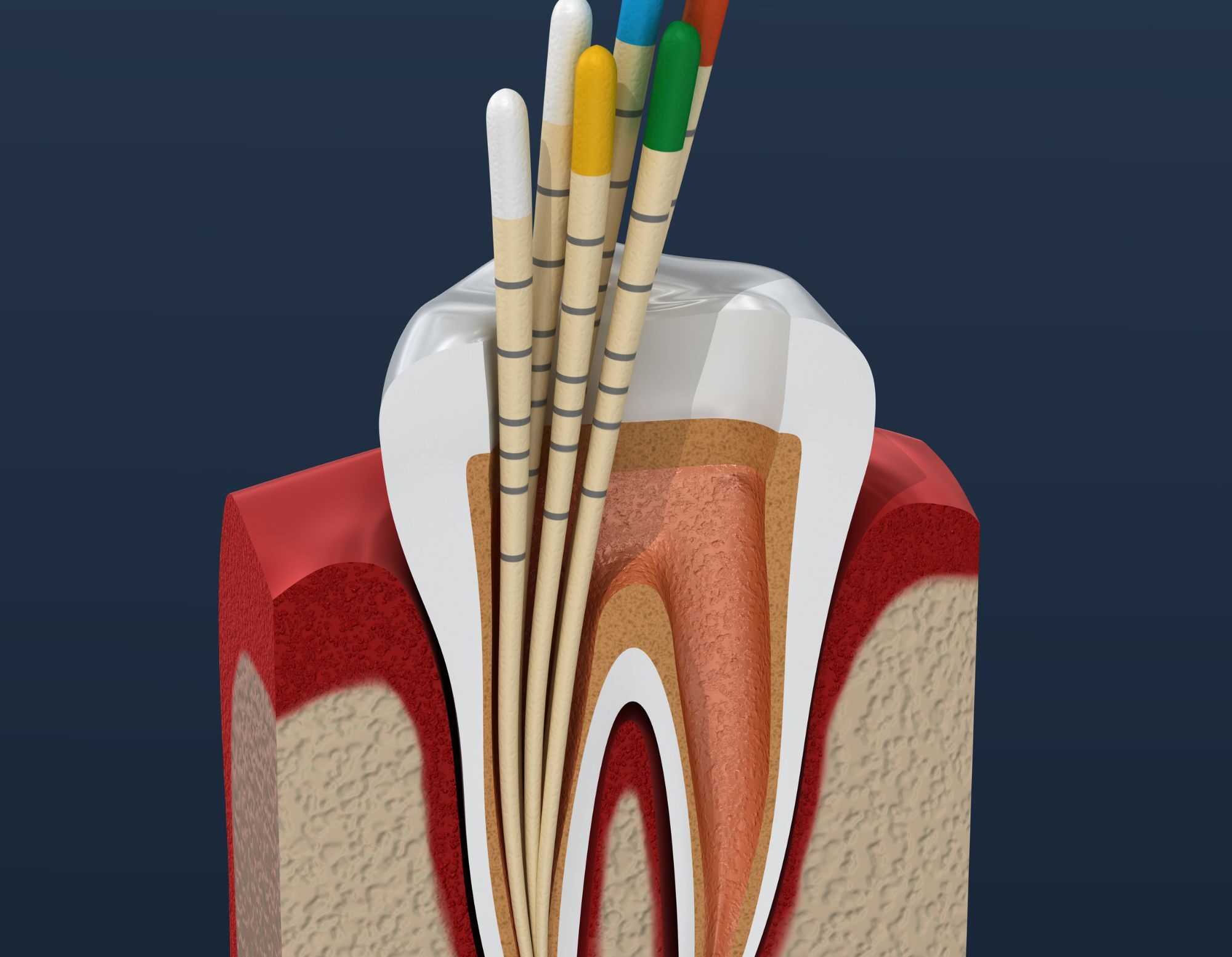
Root canal treatment. Beyond the surface.
- Assessment & diagnosis
- Canal cleaning & sealing
- Restoration planning
Understanding your options
Understand the pain. Consider the tooth.
Decay, damage or other changes can affect the pulp inside a tooth. Symptoms alone cannot tell us the full story, so examination and appropriate tests come first.
Assess the cause
The dentist checks the tooth and may use sensitivity tests and X-rays. Pain, swelling or a change in colour can have different causes that need to be distinguished.
Treat the canals
Root canal treatment removes affected tissue from inside the tooth, cleans the canal system and fills and seals it to help prevent further infection.
Restore the outside
The treated tooth needs a suitable final restoration. A filling or crown may be recommended depending on its remaining structure, position and bite.
Keeping a tooth has conditions
Not every tooth can be saved. Cracks, limited remaining structure or poor support can affect the outlook. Your dentist explains the prospects, alternatives and any need for referral.
At the practice
Your care, step by step.
Treatment may take more than one appointment. The plan depends on the tooth, canal anatomy and whether it has been treated before.

Planning your visit
Care inside. Protection outside.
The cross-section image illustrates the treatment area. Your tooth may have a different number or shape of canals.
Confirm the diagnosis
An examination and appropriate imaging help establish the problem and whether root canal treatment is a suitable option.
Make treatment manageable
Local anaesthetic is normally used. Tell your dentist about anxiety or any discomfort during the appointment so it can be addressed.
Clean and seal
The canals are treated and sealed. A temporary filling may protect the tooth between visits if treatment is staged.
Complete the restoration
Your dentist explains the final filling or crown and follow-up needed to review healing and protect the tooth.
Looking ahead
A plan that makes sense.
The full plan includes both root canal treatment and the restoration afterwards. Ask about each stage before making your decision.

Protect it between visits
Follow advice about eating while the tooth has a temporary restoration. Some tenderness can occur; worsening pain, swelling or loss of a temporary filling should be reported to the practice.